Basics
Secured vs Unsecured Loans Explained
The collateral question changes your rate, your risk, and what happens if things go wrong.
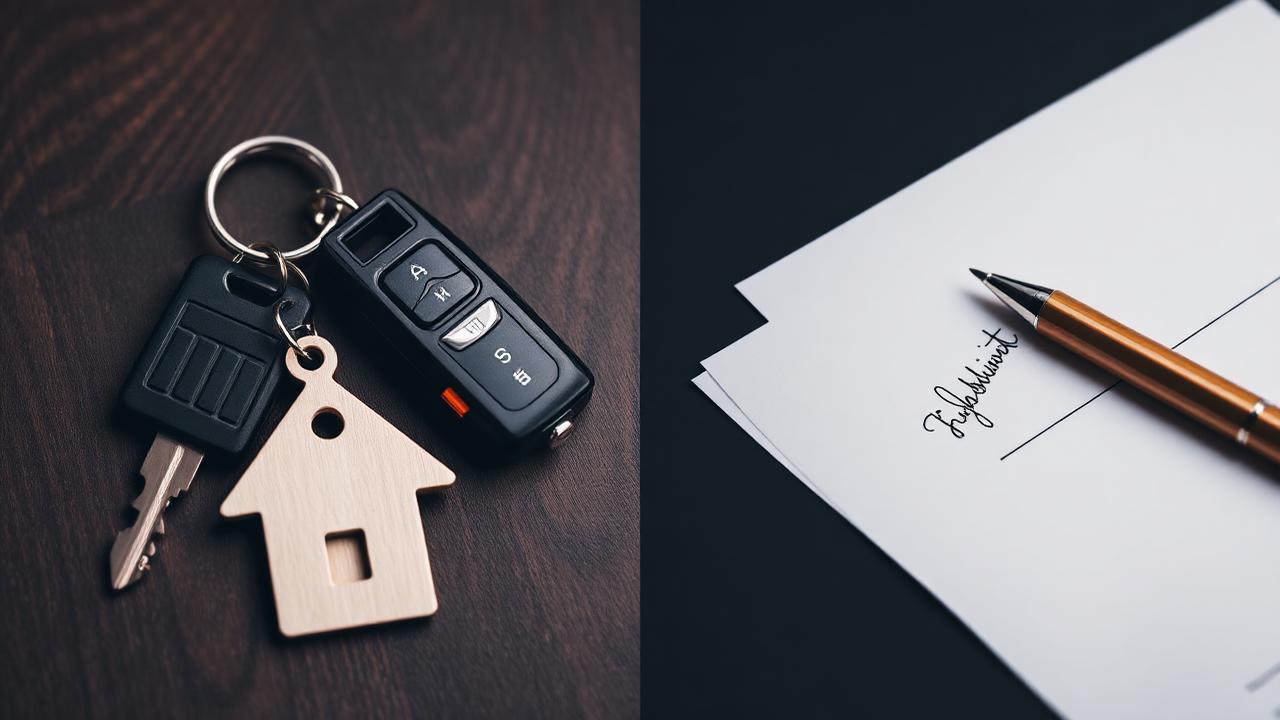
Every loan is either secured by an asset or backed only by your promise to pay. The distinction shapes everything else about the loan.
Secured loans
You pledge collateral — a house (mortgage), a car (auto loan), a savings account (share-secured loan). Because the lender can recover its money by seizing the asset, rates are lower and approval is easier. The trade is real: default and you lose the asset.
Unsecured loans
Most personal loans, credit cards, and student loans. The lender relies entirely on your creditworthiness. Rates are higher and approval is stricter, but a default cannot directly cost you a specific asset (though the lender can sue and garnish wages).
Which to choose
If you have collateral and are confident in repayment, secured loans almost always cost less. If your situation could change — job uncertainty, variable income — the higher cost of an unsecured loan is the price of not putting an asset on the line.